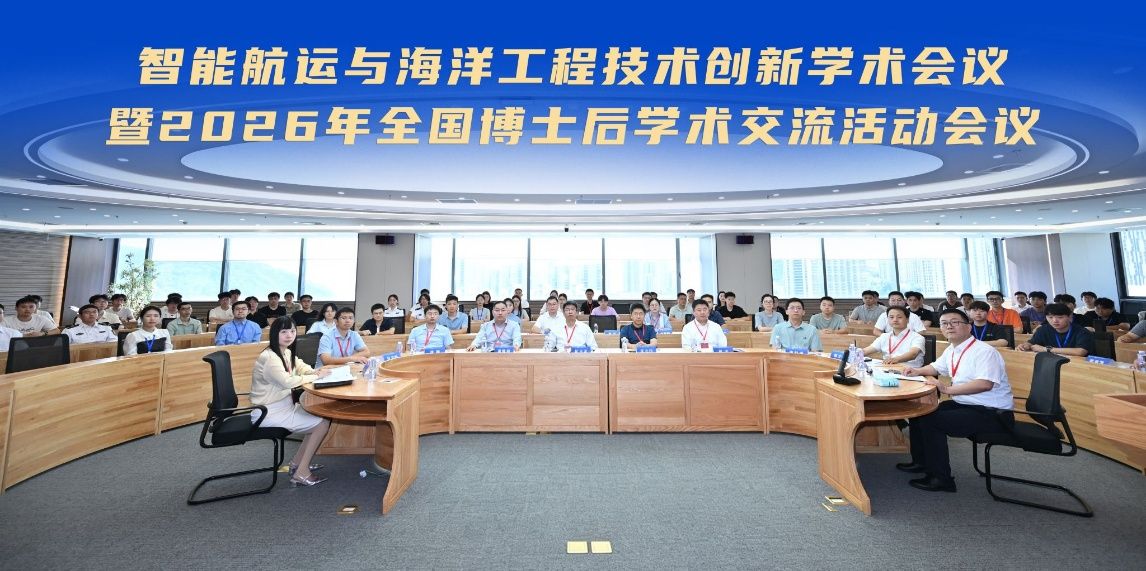
From August 21 to 23, the Academic Conference on Smart Shipping and Marine Engineering Technology Innovation and the 2026 National Postdoctoral Academic Exchange Event were successfully held at Dalian Maritime University (DMU). The conference was guided by the Office of the National Postdoctoral Management Committee and the State Key Laboratory of Maritime Technology and Safety, hosted by the Department of Human Resources and Social Security of Liaoning Province, and co-organized by the State Key Laboratory of Maritime Technology and Safety and the Human Resources Office (Party Committee Talent and Faculty Work Department) of DMU. Under the theme “Blue Ocean Insights, Interdisciplinary Integration — Building an Interdisciplinary Innovation Ecosystem for Waterborne Traffic Control,” the event brought together over a hundred postdoctoral researchers, young scientists, and industry experts from across the country to engage in in-depth academic discussions on the frontiers of smart shipping and marine engineering.
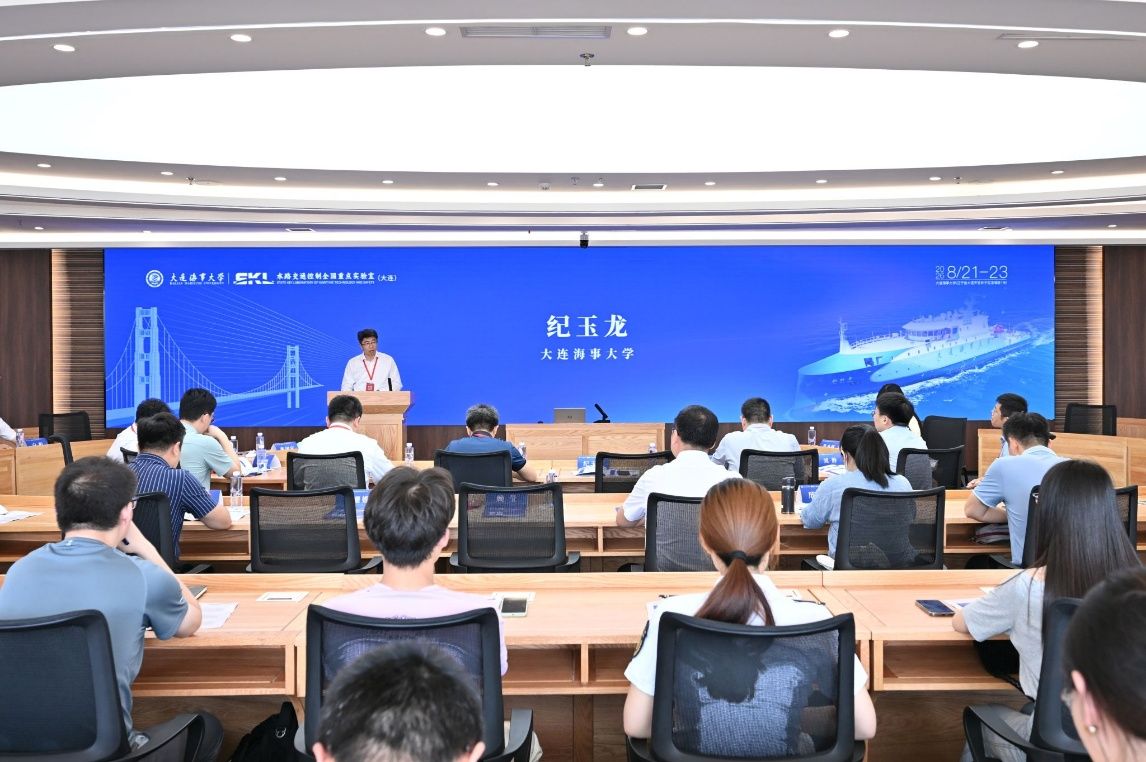
At the opening ceremony, Ji Yulong, Vice President of Dalian Maritime University, delivered a welcome speech on behalf of the university, extending a warm welcome to the young scholars and experts in attendance. He emphasized that waterborne transportation serves as a critical pillar for the development of a strong maritime nation and a strong transportation nation, and that the postdoctoral community is a vital driving force for scientific and technological innovation. He expressed his hope that this exchange event would serve as a bridge, encouraging young researchers to boldly explore interdisciplinary frontiers, foster academic dialogue, and promote deeper integration of industry, academia, and research, ultimately generating more research outcomes that address real-world industry needs.
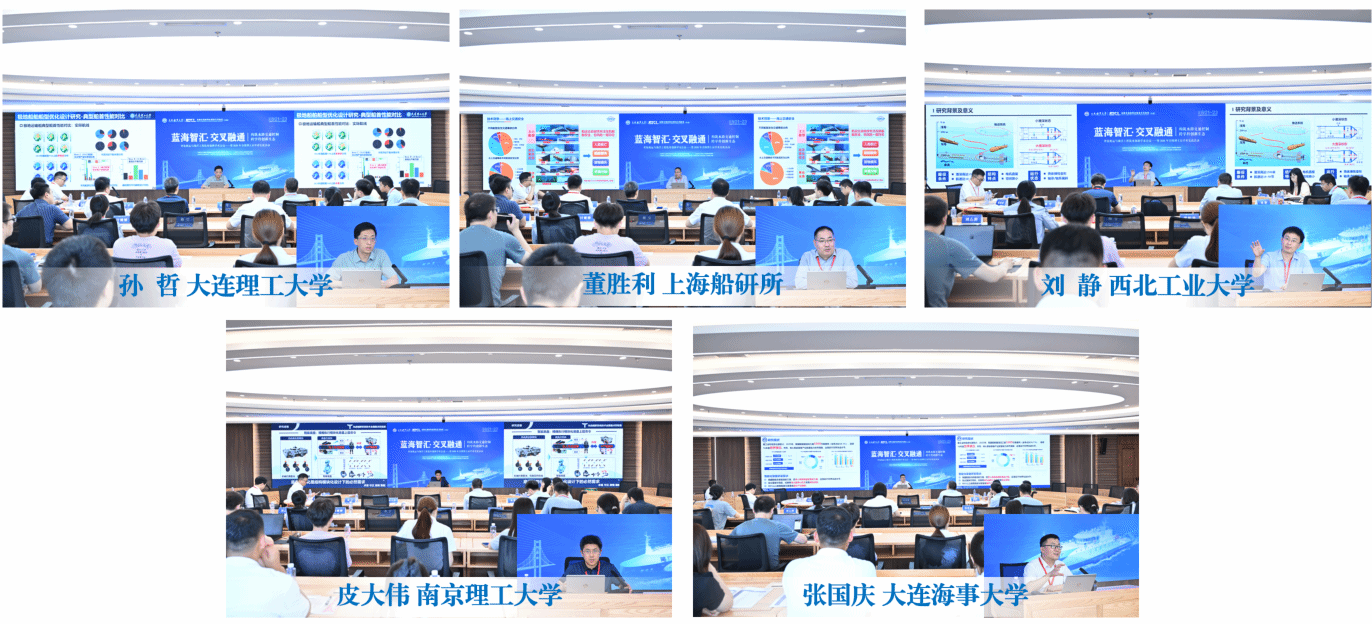
During the keynote session, several high-level industry experts delivered invited presentations on cutting-edge topics such as smart shipping technologies, green marine engineering, and waterborne traffic safety control. They shared the latest research progress and industry development trends, offering frontier academic insights to the young researchers in attendance.
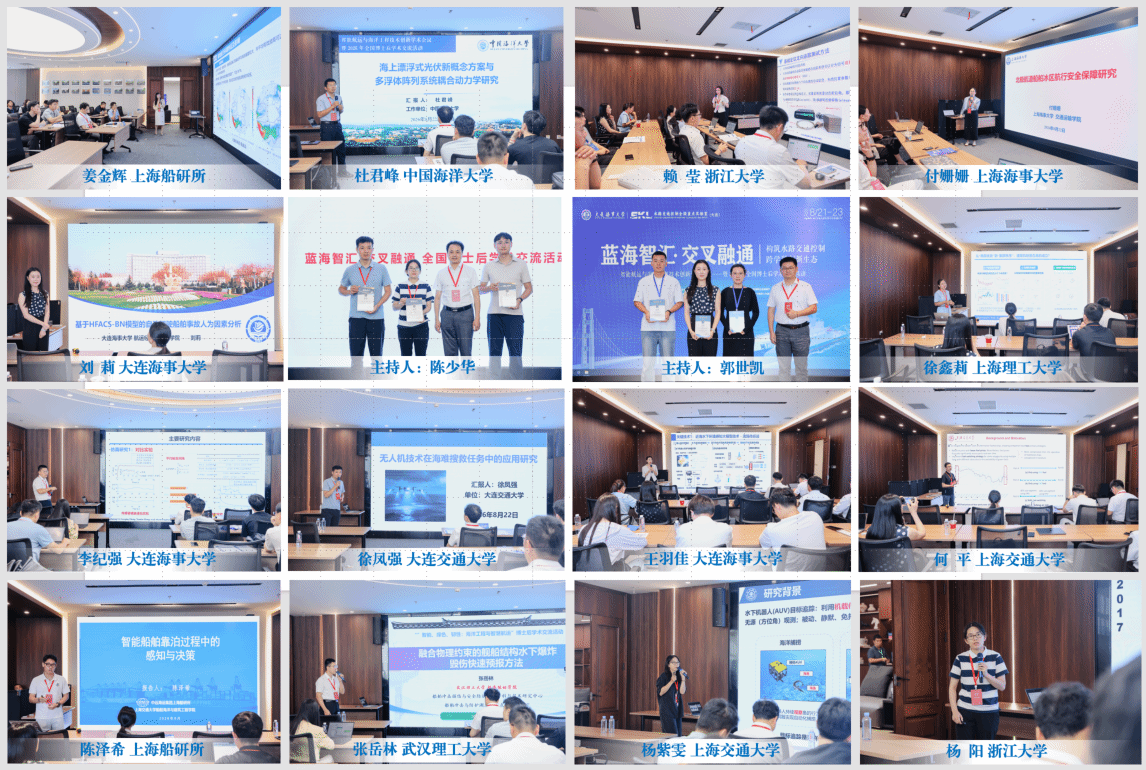
The conference featured multiple parallel sub-forums, including a dedicated postdoctoral young scholars forum, presentations of the laboratory’s open fund projects, and industry exchange sessions on the commercialization of marine engineering achievements. Young scholars from various universities and research institutions delivered oral presentations, engaging in discussions and exchanges on topics including smart vessels, marine equipment, the marine environment, and waterborne traffic control. The conference also organized poster presentations and conducted selections for outstanding presentations and posters, providing a platform for young researchers to showcase their achievements and learn from one another.
During the conference, attendees made a collective visit to Xin Hong Zhuan, DMU’s dual-purpose vessel for intelligent maritime research and training, to gain first-hand insight into the development of its research and experiment platforms, thereby promoting the close integration of theoretical research and engineering practice.
This academic exchange event focused on frontier fields such as smart shipping and green marine engineering, establishing a high-level dialogue platform for postdoctoral researchers and young scholars. The event not only effectively stimulated interdisciplinary thinking and integration but also deepened the innovation synergy among universities, research institutions, and industry enterprises, playing a vital bridging role in accelerating the commercialization of research outcomes and strengthening the talent pipeline.
 中文
中文


