From June 27 to 28, the Academic Exchange Conference on AI-Empowered Scientific Innovation and High-Quality Development of the Journal of Dalian Maritime University was successfully held. The conference was hosted by the Academic Journal Center of Dalian Maritime University (DMU) and organized by the Editorial Office of the Journal of Dalian Maritime University and the National Engineering Research Center for Ship Navigation Systems. Over 100 representatives attended the event, including Yang Limin, Director of the Periodicals Agency of Ocean University of China; Zhang Xianghe, Executive Editor-in-Chief of the Journal of Jilin University (Engineering and Technology Edition); Faculty member Jiang Xuemei from Xidian University; Chen Chengchao, Director of the Editorial Office of the Periodicals Agency of Ocean University of China; along with editorial board members, key research faculty from DMU, young editorial board members, and subject editors. Participants engaged in in-depth exchanges and discussions on key topics such as AI-empowered scientific innovation, the development of first-class maritime-featured academic journals, collaborative editorial board development, and the cultivation of young academic talent, collectively exploring pathways for enhancing the quality and upgrading of the journal.
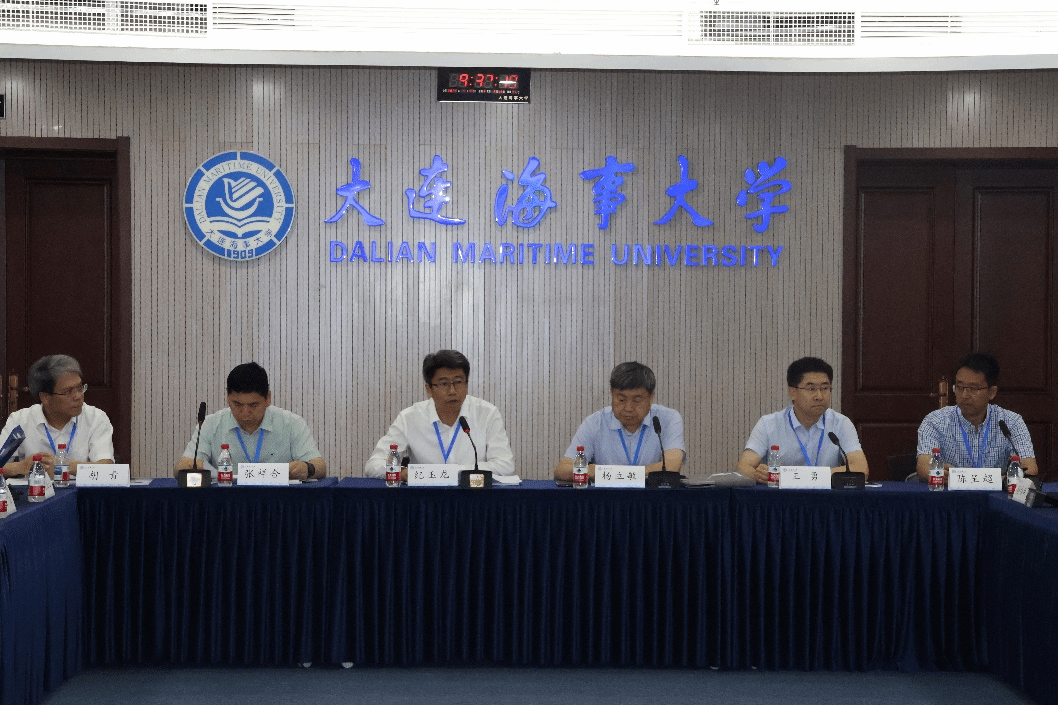
At the opening ceremony, Ji Yulong, Vice President of DMU, delivered a speech on behalf of the university. He provided an overview of the university’s progress in building its journal editorial team, developing distinctive columns, and improving publication quality. He emphasized that establishing a high-quality shipping-featured journal is a key task for the university in implementing the national “15th Five-Year Plan” and advancing the development of a world-class maritime university. He pointed out the new opportunities and challenges that AI technology brings to academic journals, and expressed the hope that participating experts and editorial board members would use this conference as a platform to build consensus, further the pursuit of professional, distinctive, and internationalized publishing approaches, and continuously strengthen the journal’s core capacity to serve disciplinary development and scientific innovation.
During the conference, Professor Tahsin Tezdogan, International Editorial Board Member of the Journal of Dalian Maritime University, Professor at the University of Southampton, and Editor-in-Chief of Ocean Engineering, delivered a video address.
Professor Hu Qing, Editor-in-Chief of the Journal of Dalian Maritime University, gave a special presentation on the journal’s publication work.
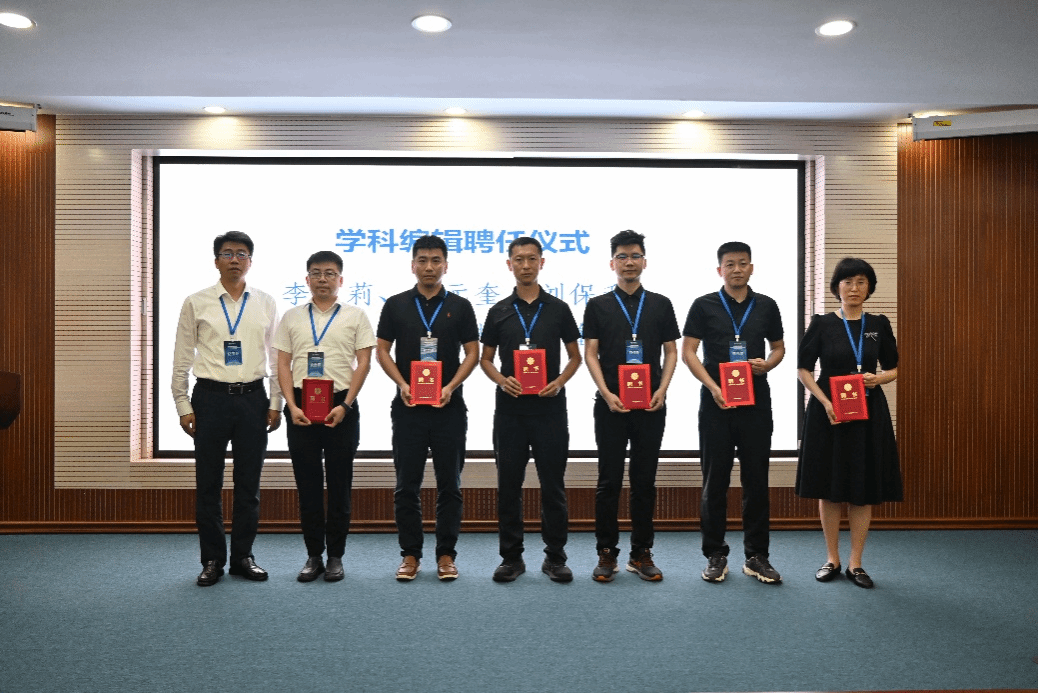
Ji Yulong presented appointment letters to the newly appointed subject editors of the journal. The addition of subject editors will strengthen the journal’s professional editorial team and solidified the foundation for specialized journal management.
The opening ceremony and the editorial board meeting & journal high-quality development seminar were moderated by Wang Yong, Director of the Academic Journal Center of Dalian Maritime University and Editor-in-Chief of the Journal of Dalian Maritime University (Social Science Edition). Leading experts in the journal publishing field from key domestic universities delivered presentations on the latest developments.
Yang Limin, Director of the Periodicals Agency of Ocean University of China, delivered a presentation titled “Building a First-Class Academic Journal Cluster to Support the Development of Double First-Class Universities.” He analyzed the current status and opportunities for domestic English-language maritime journals, shared experiences in editorial team development, international exchanges, and digital publishing, and offered insights and references for enhancing and upgrading maritime journals.
Zhang Xianghe, Executive Editor-in-Chief of the Journal of Jilin University (Engineering and Technology Edition), delivered a presentation titled “Co-development, Co-creation, Co-dissemination—Empowering Journal High-Quality Development through the Editorial Board.” He shared practical experience in standardized special issue workflows and multi-channel coordinated dissemination, focusing on three major approaches: building a growth-oriented editorial board, organizing youth-led special issues, and leveraging integrated media communication. His presentation provided actionable insights into how editorial boards can collaboratively empower journal quality improvement.
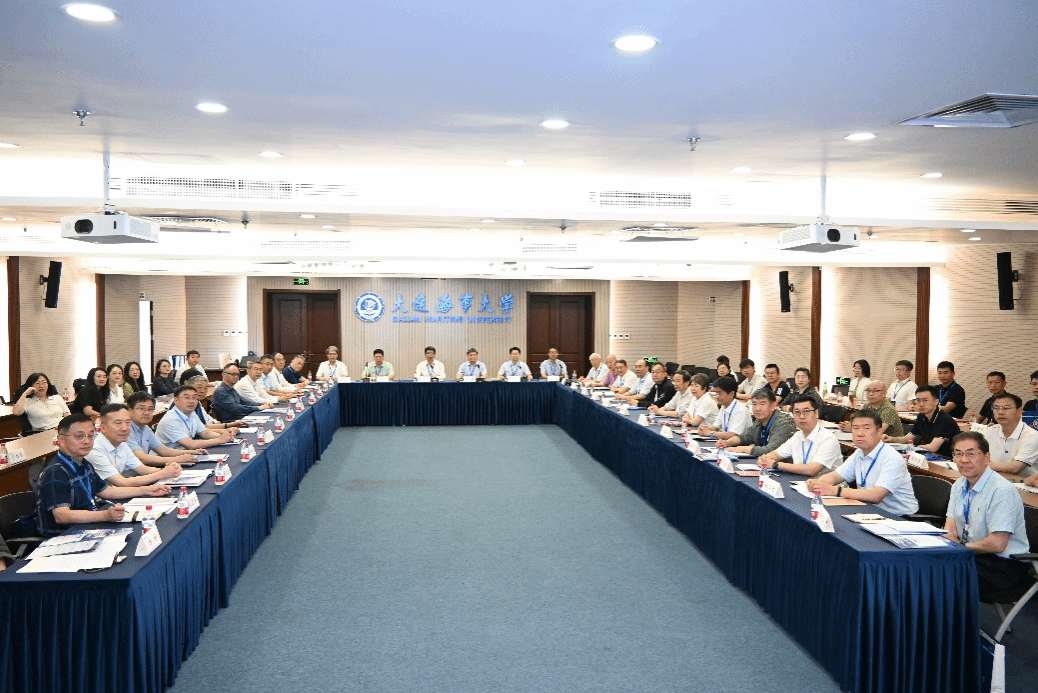
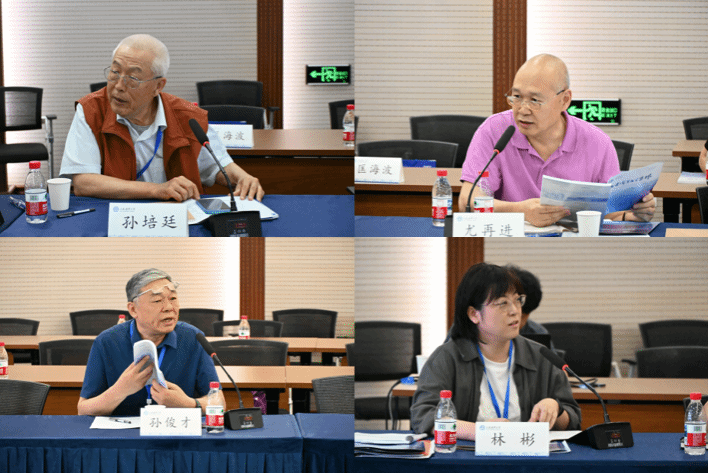
During the symposium on high-quality journal development, participating editorial board members and editors engaged in lively discussions, exchanging diverse perspectives on innovative journal development approaches. They held comprehensive discussions on practical issues including column optimization and upgrading, development of maritime-featured special topics, cross-departmental collaboration within the university, strengthening journal promotion and outreach, improving overall manuscript quality, deepening internationalization efforts, and establishing regular targeted solicitation of manuscripts. Through these exchanges, they reached a broad consensus on the journal’s long-term development.
The keynote presentation session was moderated by Professor Hu Qing, Editor-in-Chief of the Journal of Dalian Maritime University.
Ms. Jiang Xuemei from Xidian University delivered a presentation titled “Key Technologies and Applications of the Resource Intelligent Planning Algorithm Evolution Platform.” She provided a detailed introduction to her latest research outcomes on the evolution of resource intelligent planning algorithms, offering an exemplary case of AI-empowered scientific innovation.
Chen Chengchao, Director of the Editorial Office of the Periodicals Agency of Ocean University of China, delivered a presentation titled “The Growth Path of MLST—From Inception to International Recognition.” He systematically shared the publishing experience of the English-language journal Marine Life Science & Technology (MLST), offering a replicable model for launching new English-language maritime journals and advancing the high-quality development of international journals.
The young editorial board members’ working meeting was moderated by Wang Yong, Director of the Academic Journal Center of Dalian Maritime University and Editor-in-Chief of the Journal of Dalian Maritime University (Social Science Edition). Participating young editorial board members engaged in in-depth exchanges centered on the core topic of “organized research and the growth of young scholars.” Drawing on their own research and peer-review experiences, they offered suggestions on various aspects including the establishment of a young scholars’ column, a green channel for young scholars’ research outputs, incentive mechanisms for young authors, interdisciplinary special topic compilation, and enhancement of the journal’s communication capacity. Through these discussions, they developed multiple feasible recommendations for optimizing the service system for young authors and expanding the journal’s academic influence among young scholars.
At the AI-Empowered Scientific and Technological Innovation Exchange Meeting, participating experts held in-depth discussions on the practical application and future directions of large AI models in supporting scientific research, sharing their application experiences and insights.
Going forward, the Academic Journal Center of Dalian Maritime University and the Editorial Office of the Journal of Dalian Maritime University will leverage the outcomes of this conference as a key driver. They will continue to build on the university’s distinctive maritime strengths, deeply integrate AI technological innovation with academic publishing, and coordinate the collaborative development of Chinese- and English-language journals. By fully mobilizing the editorial board, young editorial board members, and subject editors, they will focus on disseminating organized research outputs, build a high-level academic exchange platform in the maritime field, and continuously enhance the journal’s academic quality, international influence, and industry service capacity. Through the development of high-quality academic journals, they aim to support the university’s “Double First-Class” construction and contribute DMU’s academic strength to the development of a strong maritime nation and a strong transportation nation.
 中文
中文


