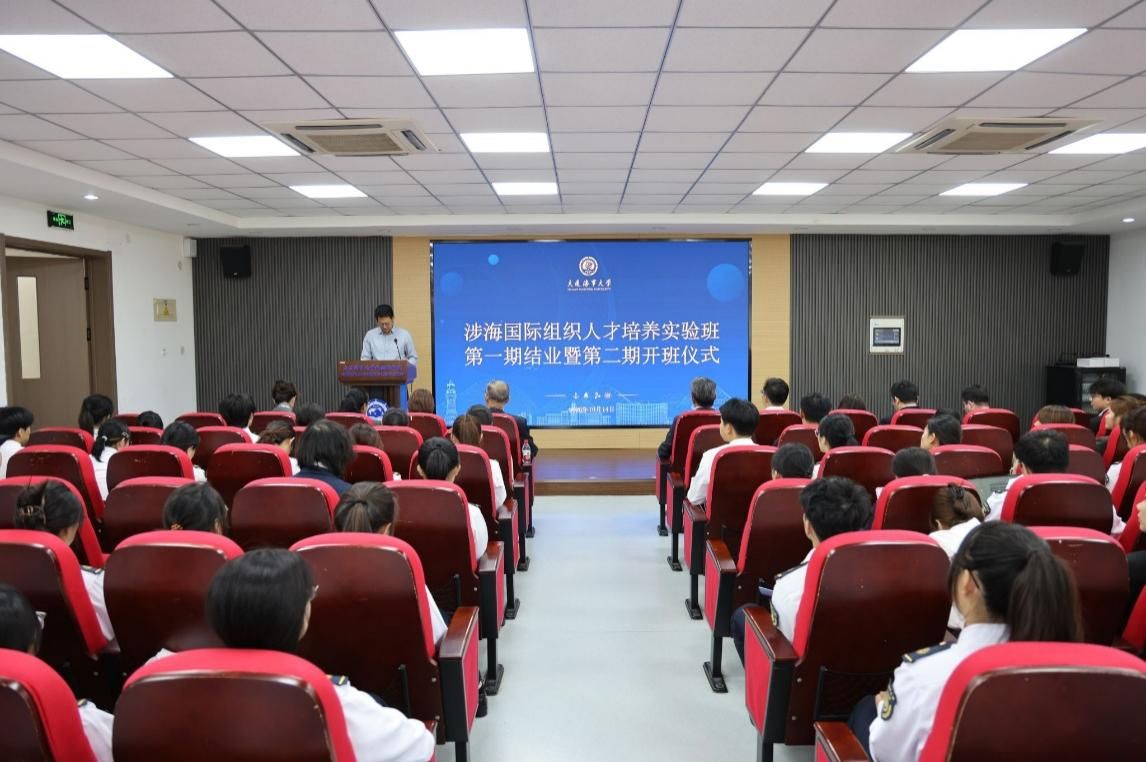
On October 14, Dalian Maritime University (DMU) held a ceremony at the School of Foreign Languages to mark the completion of the first cohort and the launch of the second cohort of its Pilot Program for Cultivating Talents for International Maritime Organizations (hereinafter referred to as the “Pilot Program”). Li Yuwei, former Director of the Transport Division at the United Nations Economic Commission for Europe (UNECE) and the United Nations Economic and Social Commission for Asia and the Pacific (ESCAP), and chief adviser to the Pilot Program, attended the ceremony and delivered remarks. Shan Hongjun, President of DMU, also attended the ceremony and addressed the gathering. The event was presided over by Zeng Gang, Dean of the School of Foreign Languages.
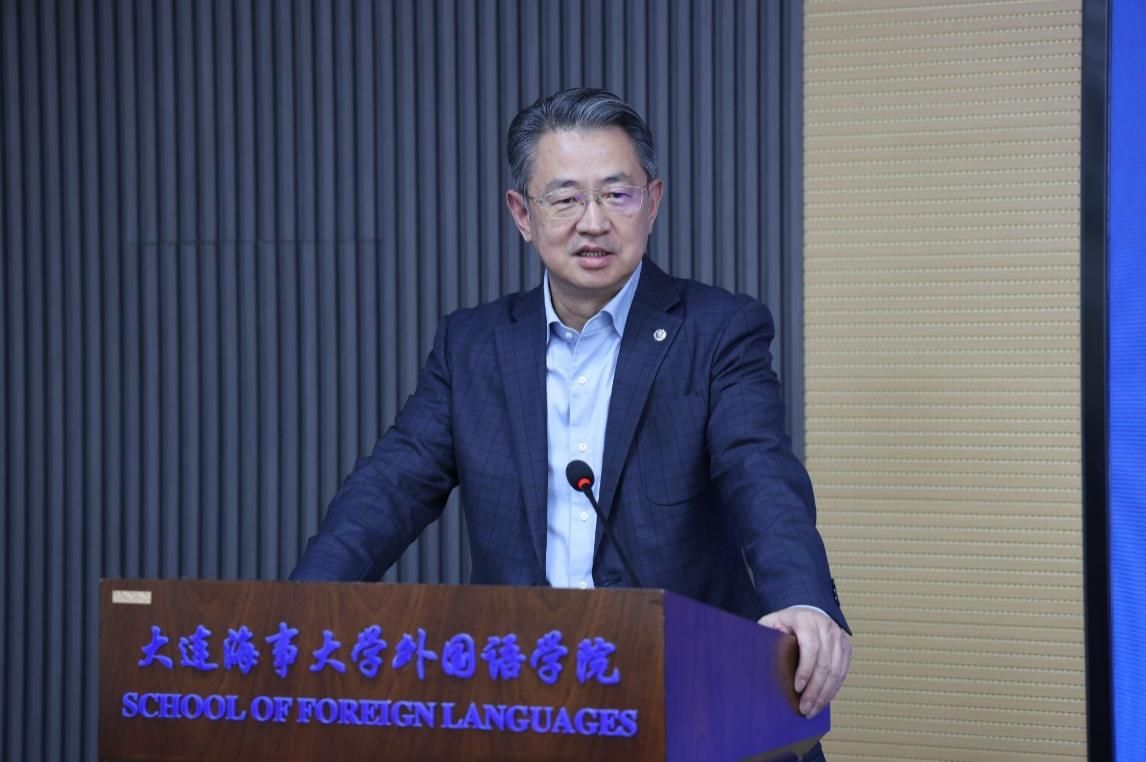
On behalf of the University, Shan Hongjun congratulated all members of the first cohort on successfully completing the program and welcomed the new students selected for the second cohort through a rigorous selection process. He also expressed his gratitude to the faculty members who had worked tirelessly to organize the program and deliver courses over the past year. Shan emphasized that the establishment of the Pilot Program represented a valuable exploration of DMU’s distinctive approach to cultivating talents for international organizations in maritime-related fields. More importantly, it provided a key platform for the University to support China’s national development strategies and systematically develop and build a reserve of talents for global governance.
Over the past year and a half, students in the first cohort had demonstrated the distinctive strengths of DMU students through their academic studies, internships at international organizations, international competency competitions, and participation in multilateral conferences. Their achievements had also demonstrated the vitality and potential of DMU’s distinctive talent development model.
In closing, Shan encouraged the students to broaden their international horizons and strive for ever-greater heights; strengthen their communication skills and learn to tell China’s stories effectively; develop a sound understanding of international rules through extensive study and practical experience; and remain committed to building profound professional expertise through years of dedicated efforts. He also urged them to embrace a spirit of continuous innovation and stay attuned to the defining trends of the times: green development, intelligent technologies, and sustainability. He called on the students to hone their abilities through future study and professional practice, develop a sound understanding of China’s distinctive characteristics through international comparison, and strengthen their own sense of identity by learning from other cultures. By seeking common ground while respecting differences and working to build consensus, he said, they could put their youthful wisdom to work in global maritime governance and contribute to China’s efforts to become a leading country in transportation, maritime affairs, and shipping.
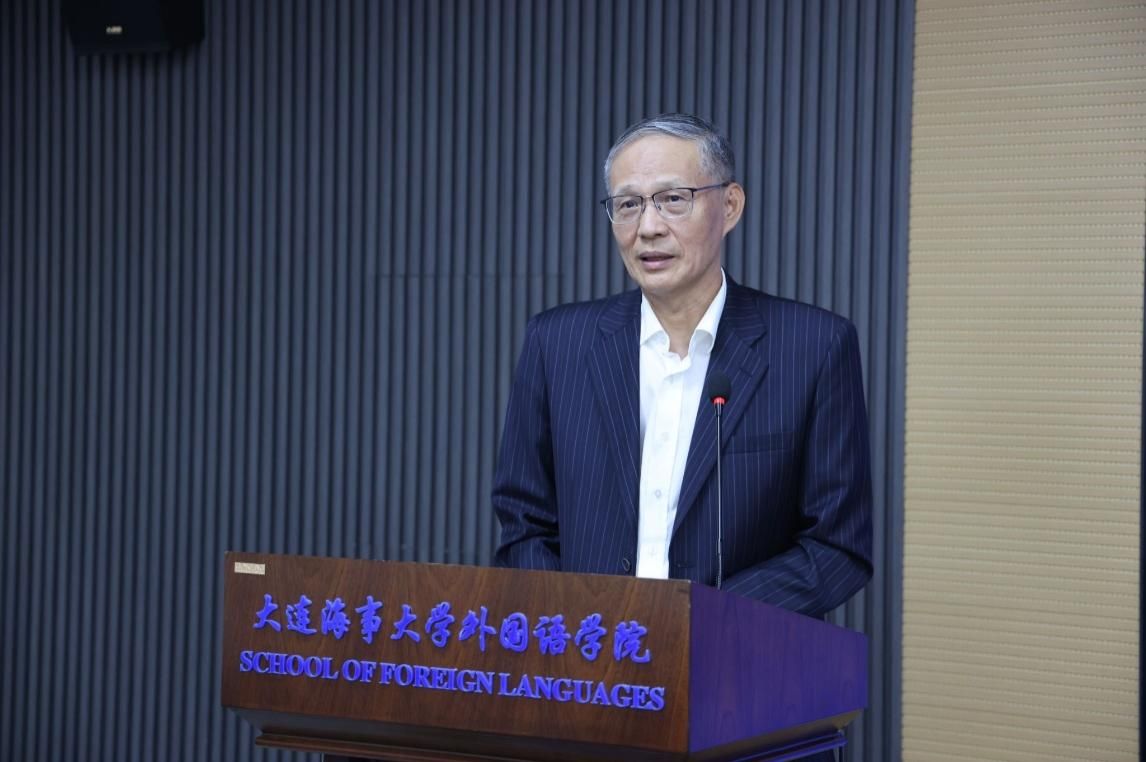
In his remarks, Chief Adviser Li Yuwei reflected on three decades of memorable experiences working in international organizations. From finding his feet and gaining experience in the early stages of his career to establishing himself and earning the trust of others through countless multilateral negotiations and international cooperation initiatives, he drew on his personal experiences to illustrate the journey of Chinese professionals on the international stage, from gaining a foothold to becoming active participants and eventually taking on leadership roles. He emphasized that international organizations offer both significant opportunities and considerable challenges. To succeed and make lasting progress, he noted, professionals must build a solid foundation of expertise, cultivate a broad international outlook, and maintain a strong sense of cultural confidence.
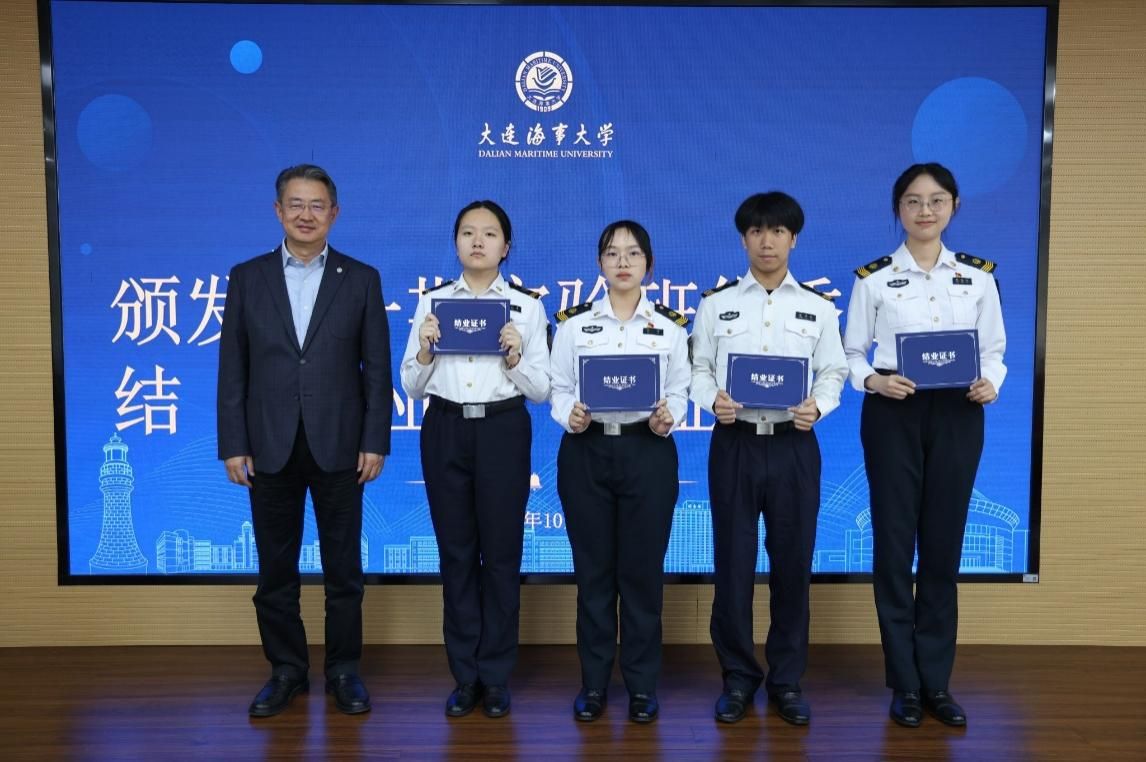
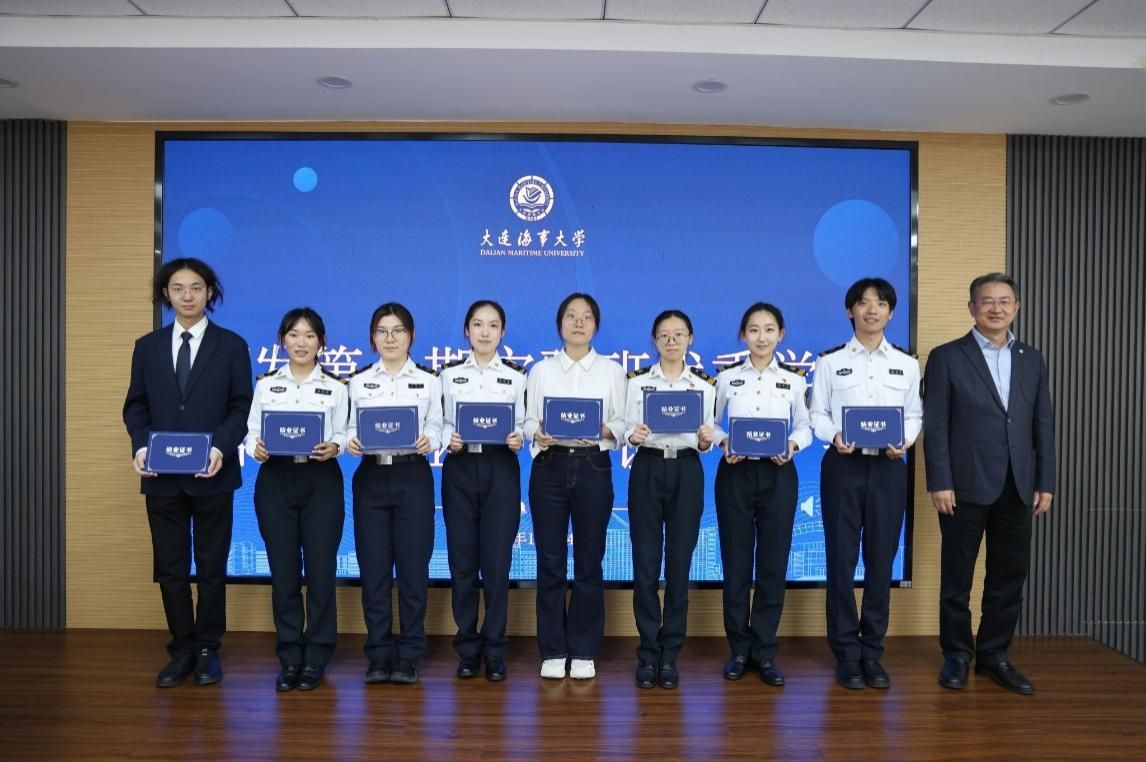
Shan Hongjun presented certificates of completion to representatives of the first cohort.
Zeng Gang outlined the development of the Pilot Program, covering its overall design, talent development model, curriculum, faculty, and quality assurance mechanisms. He also reported on the outcomes of the first cohort.
Wu Duola, representing the first cohort of students completing the program, and Ding Caiyi, representing the incoming second cohort, delivered remarks in turn, sharing their learning experiences and reflections related to the Pilot Program. Han Jialin, speaking on behalf of the faculty, reflected on the program’s teaching journey and offered the students words of encouragement and aspirations for their future.
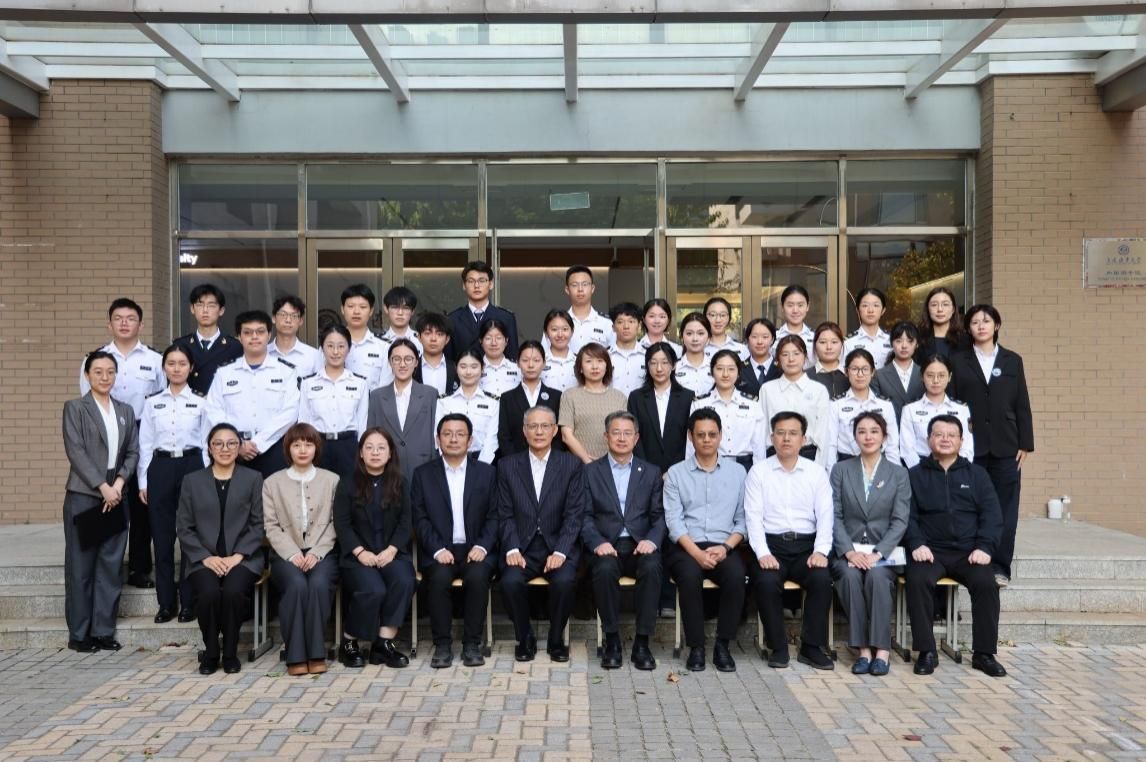
Relevant officials from the Graduate School, the Office of International Cooperation and Exchange (Office of Hong Kong, Macao and Taiwan Affairs), the Office of Academic Affairs, and the School of Foreign Languages attended the ceremony, along with faculty members of the Pilot Program and all students from the first and second cohorts.
The Pilot Program for Cultivating Talents for International Maritime Organizations is a distinctive talent development initiative established by DMU in response to China’s national strategies for building a strong maritime, transportation, and shipping nation. It brings together the expertise and resources of multiple university units, including the Graduate School, the Office of International Cooperation and Exchange, the Office of Academic Affairs, and the School of Foreign Languages. The program selects students from across the University’s undergraduate, master’s, and doctoral programs, with each cohort limited to 30 participants. It offers a structured, progressive training program over 18 months. Leveraging the University’s strengths in education and research and responding to the needs of building a maritime community with a shared future, the program aims to develop high-caliber, interdisciplinary professionals for maritime-related international organizations. Graduates are expected to possess a sound knowledge of international organizations, international relations, and global ocean governance; a high level of foreign language proficiency; strong leadership and intercultural communication skills; a deep sense of commitment to their country; and a broad international outlook. They are also expected to demonstrate strong practical capabilities and a thorough understanding of the operational mechanisms and rules of international organizations in maritime-related fields.
 中文



