From October 5 to 6, the 24th International Executive Board Meeting of the International Association of Maritime Universities (IAMU) was held in Split, Croatia. The meeting was hosted by the University of Split, Croatia. Members of the IAMU International Executive Board attending the meeting included Takeshi Nakazawa, Executive Director of IAMU; Craig Johnson, President of Maine Maritime Academy of the United States; Gabriel Raicu, Rector of Constanta Maritime University of Romania; Michael Manuel, Vice President of the World Maritime University; Stephen Hurd, Director of the Centre for Seafaring and Maritime Operations of the Australian Maritime College (AMC); Christian Matthews, Director of the School of Engineering at Liverpool John Moores University of the United Kingdom; Ivan Penonja, Dean of the Faculty of Maritime Studies of the University of Split, Croatia; and Srđan Vujičić, Dean of the Faculty of Maritime Studies of the University of Dubrovnik, Croatia. Shan Hongjun, Chair of IAMU and President of Dalian Maritime University (DMU), presided over the session.
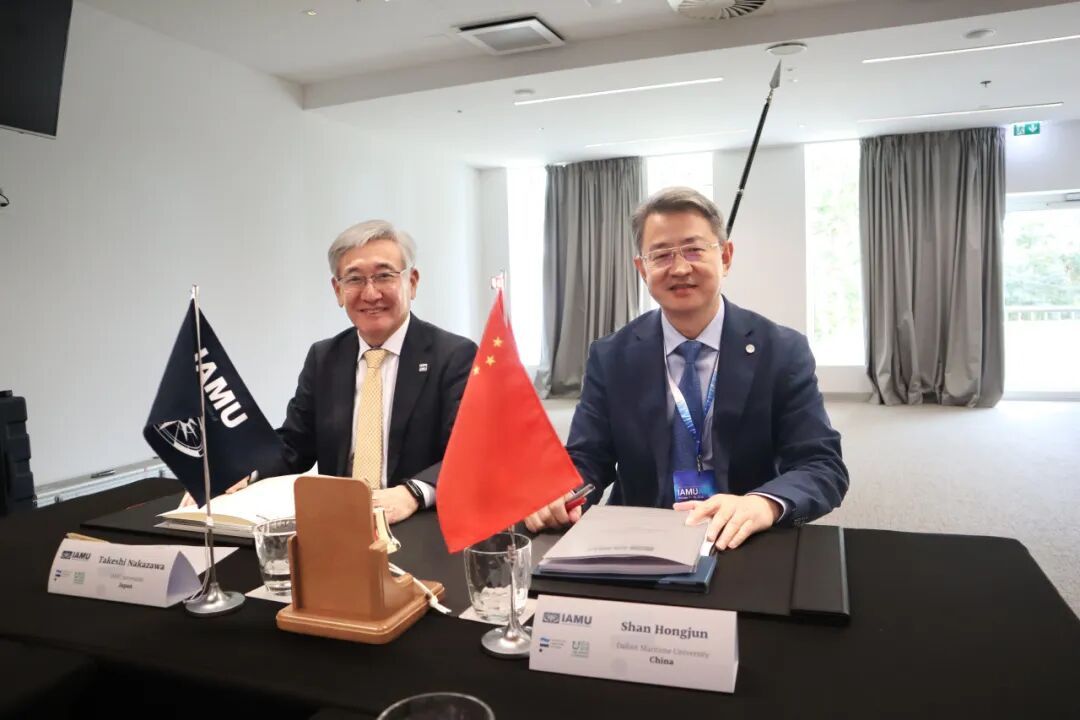
The meeting heard and deliberated on the work reports of the Policy and Planning Committee, the Academic Affairs Committee, the Finance Committee, the Liaison Committee and five working groups. A research proposal submitted by Associate Professor Wang Shaobo of DMU’s Navigation College was selected for funding under IAMU’s Research Project for Young Academic Staff.

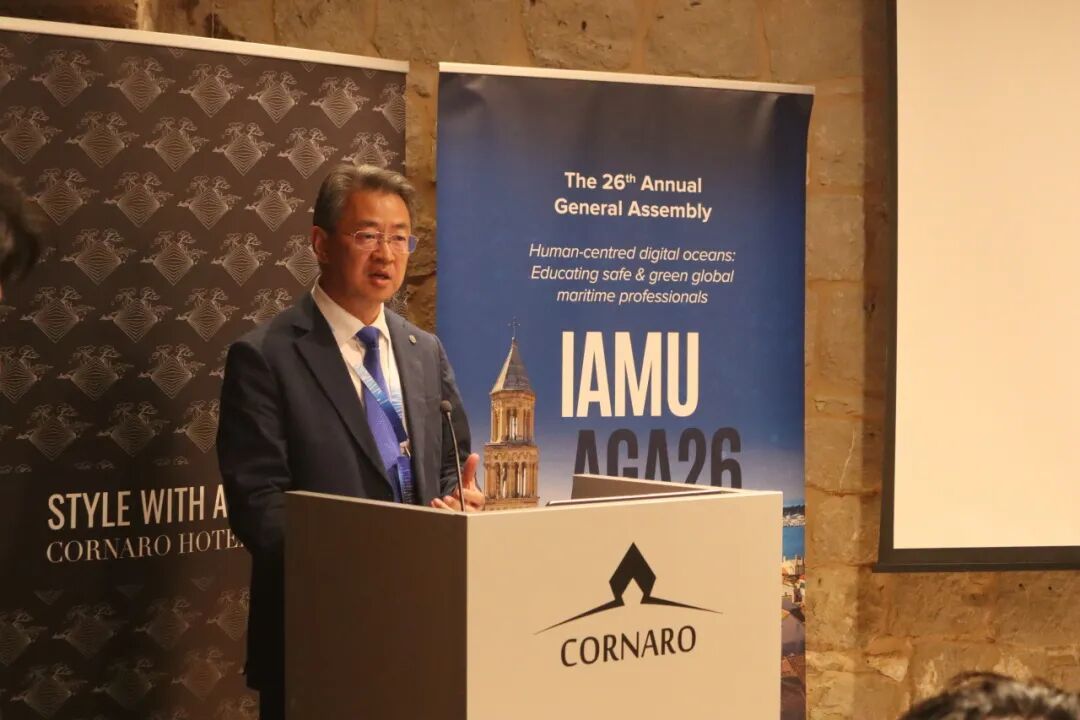
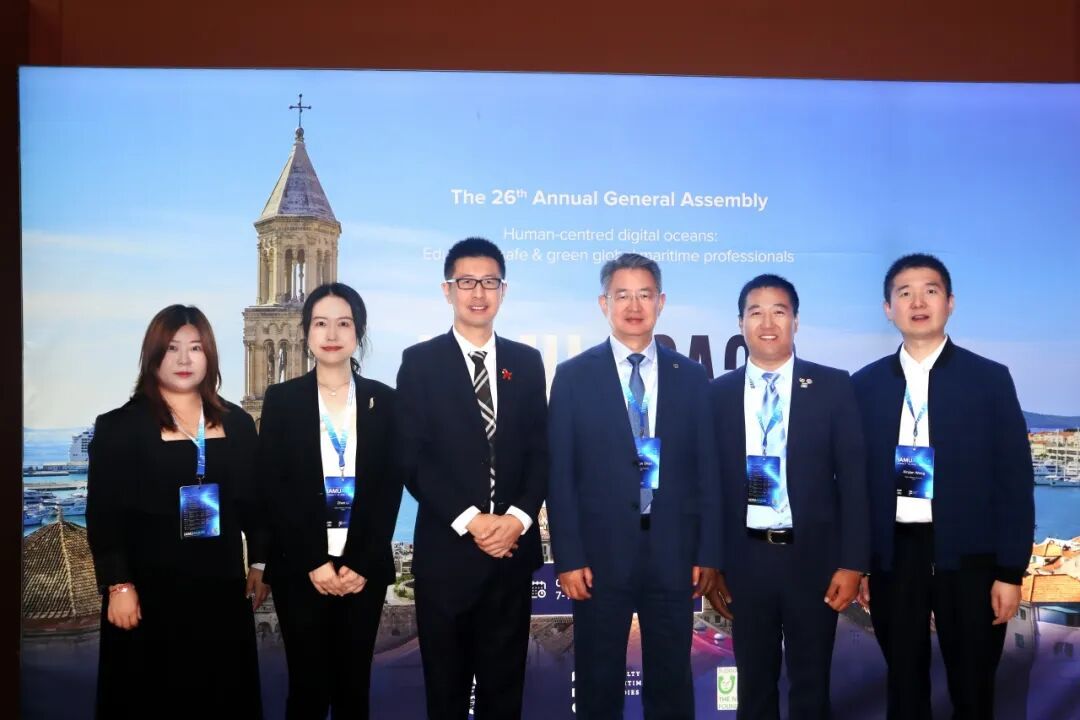
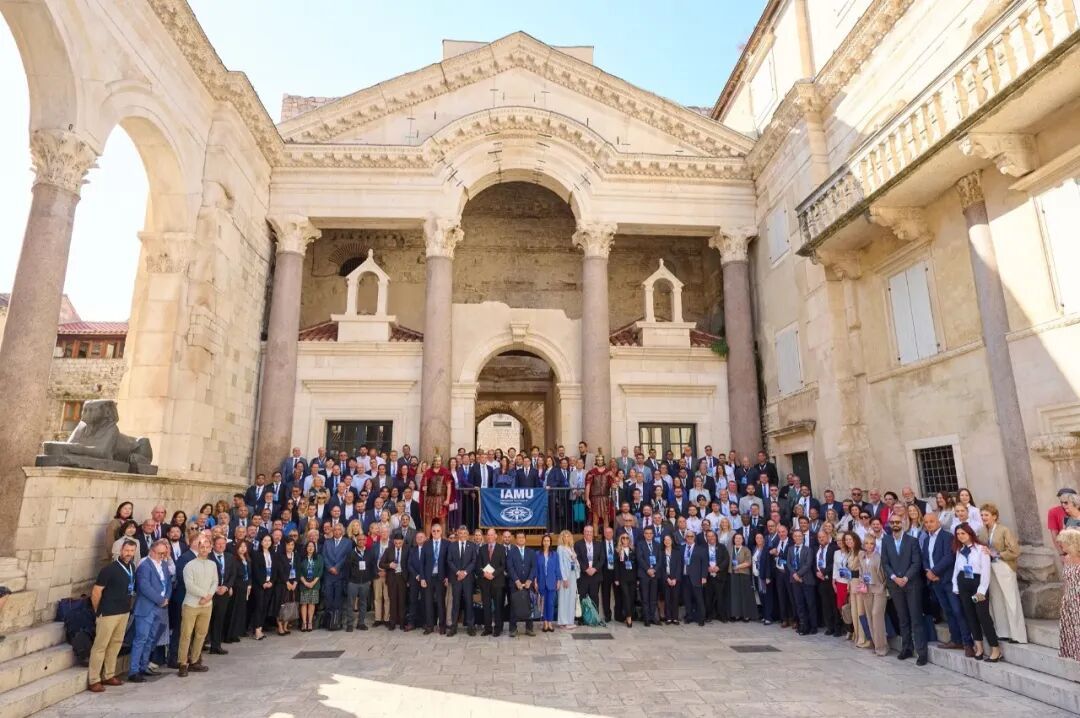
On the morning of October 7, the 2026 Annual General Assembly (AGA) of the IAMU was grandly held, with over 300 delegates from more than 40 countries in attendance. Oleg Butković, Deputy Prime Minister and Minister of the Sea, Transport and Infrastructure of Croatia; Matea Dorčić, Deputy Mayor of Split; Jaime Veiga, Senior Project Officer of the European Maritime Safety Agency; and Nikola Koceić-Bilan, Rector of the University of Split, attended the opening ceremony and delivered speeches. Shan Hongjun, President of DMU and Chair of IAMU, addressed the opening ceremony. He briefly reviewed the progress and key achievements of IAMU over the past year and provided an in-depth analysis of the impacts and challenges that geopolitical volatility, shipping decarbonization, and the development of autonomous ships are posing to maritime education today. Centering on the conference theme “Human-centered Digital Oceans,” he elaborated on IAMU’s future priorities: first, continuing to advance the Global Maritime Professional (GMP) Initiative to steadily supply high-quality professionals for the evolving maritime industry; second, promoting enhanced research collaboration among member universities, focusing on frontier and emerging technologies through thematic seminars, co-building and sharing teaching resources, and facilitating the application of research outcomes; third, maintaining close communication with the International Maritime Organization (IMO) and other relevant international bodies, and actively contributing professional input on key issues such as the implementation of the MASS Code and the development of training standards for alternative fuels; and fourth, strengthening the talent pipeline for young professionals, empowering young maritime educators, and providing strong support for the shipping industry’s transition toward intelligent, green, and safe development.

After the opening ceremony, at the Presidents’ Forum, a key segment of the annual conference, presidents and deans from more than 50 institutions held lively discussions under the theme “Human-Centered Digital Oceans: Educating Safe and Green Global Maritime Professionals.” President Shan Hongjun, as Chair of the IAMU, was invited to deliver concluding remarks. He comprehensively introduced DMU’s exploration and practices in upholding the central role of the human element in maritime operations, responding to emerging competency requirements of the industry, and improving the maritime lifelong learning mechanism. He noted that the university has continuously optimized its curriculum system, promoted scenario-based and interdisciplinary teaching models, and strengthened practical training foundations through training vessels such as Xin Hong Zhuan and specialized simulation laboratories. At the same time, it has advanced continuing education and micro-credentials to open up maritime lifelong learning pathways. He also sincerely invited member institutions to strengthen mutual learning and exchanges and work together to promote the high-quality development of maritime education.
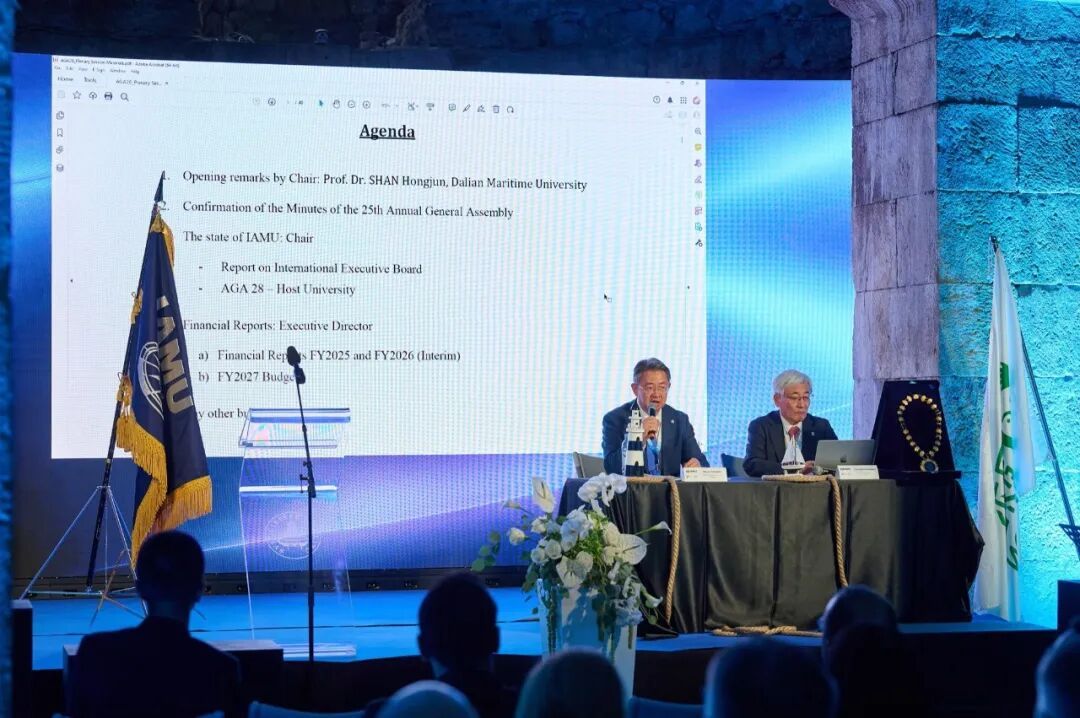
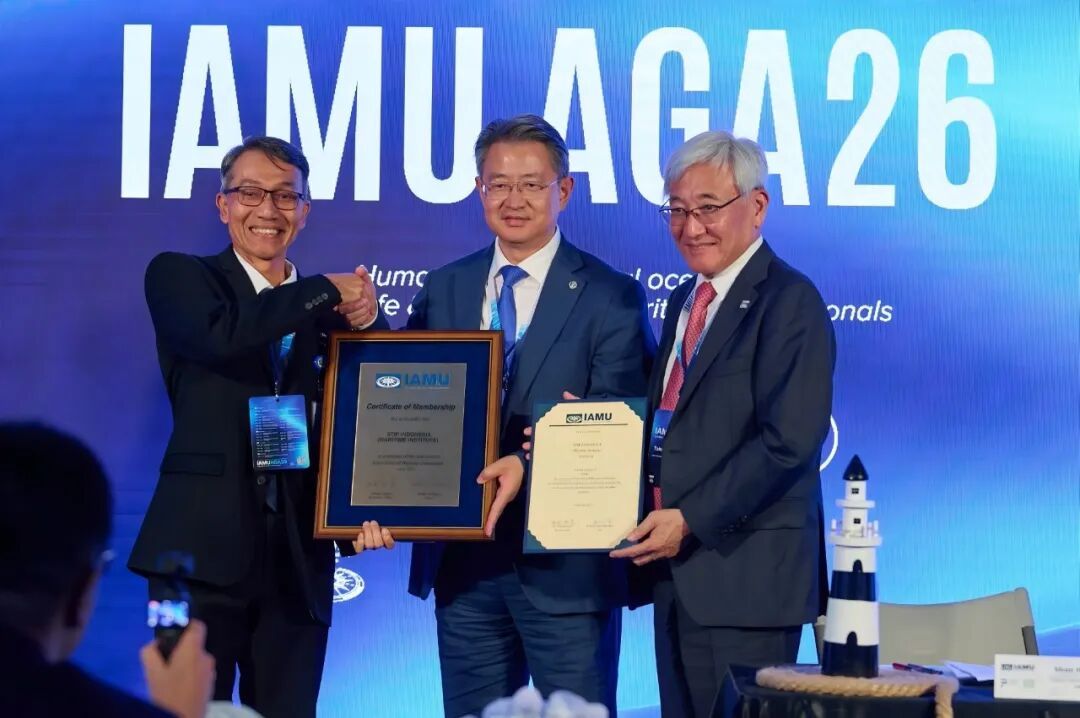
The Plenery Session of All Member Institutions of IAMU was held on the afternoon of October 7. As Chair of IAMU, Shan Hongjun reported to member institutions on important matters including the decisions of the 24th Executive Board Meeting, the results of the annual academic project review, the admission of new members to the Association, and the holding of the Youth Career Forum, and organized all member institutions to vote on these matters. He presented a certificate to the newly admitted Sekolah Tinggi Ilmu Pelayaran (Maritime Institute of Jakarta) and extended his congratulations. Six faculty members from DMU were selected as reviewers for this year’s IAMU research projects: Wang Xin and Zhou Xiangyu from the Navigation College; Xu Minyi and Yuan Haichao from the Marine Engineering College; Tian Hao from the College of Naval Architecture and Ocean Engineering; and Liu Hongbo from the College of Artificial Intelligence.
During the AGA, Associate Professors Wang Huanxin and Wang Xinjian from DMU’s Navigation College, Associate Researcher Li Zhen from the Law School, and Lecturer Cui Tianxue from the College of Public Administration and Humanities were invited to deliver keynote presentations at the conference’s parallel sessions.
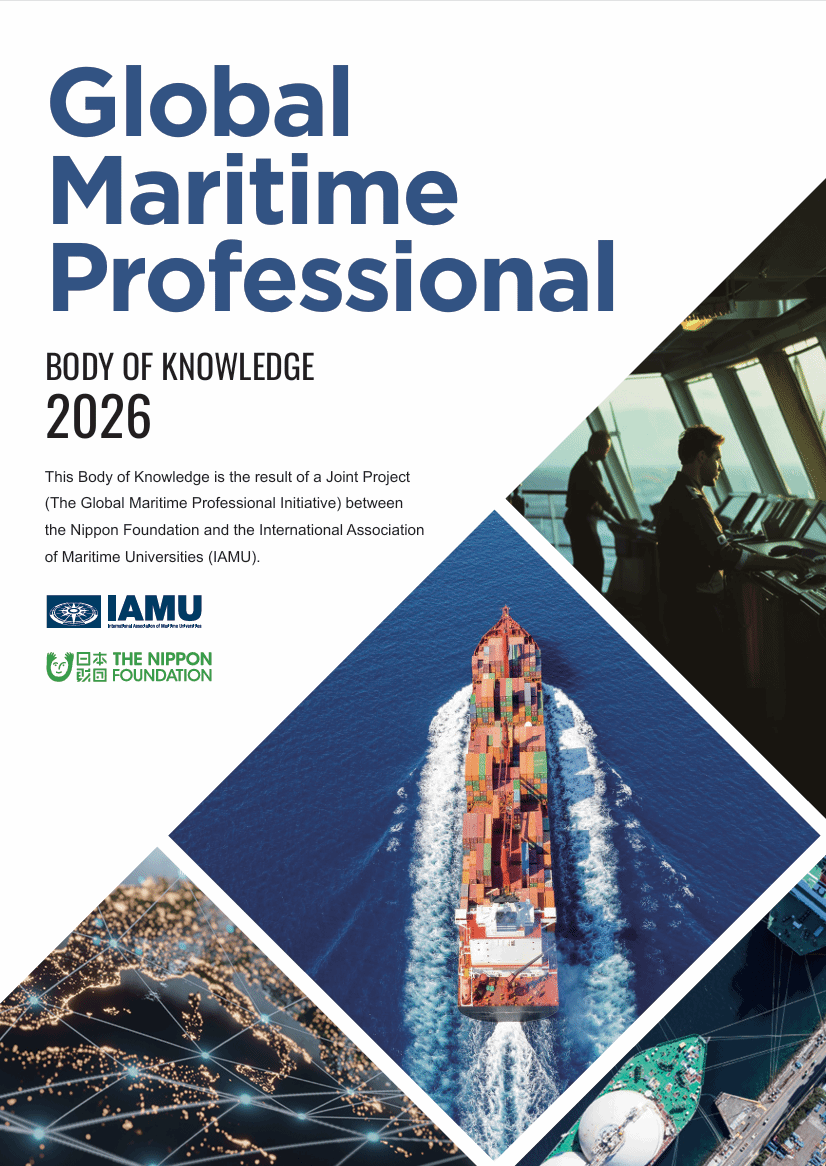
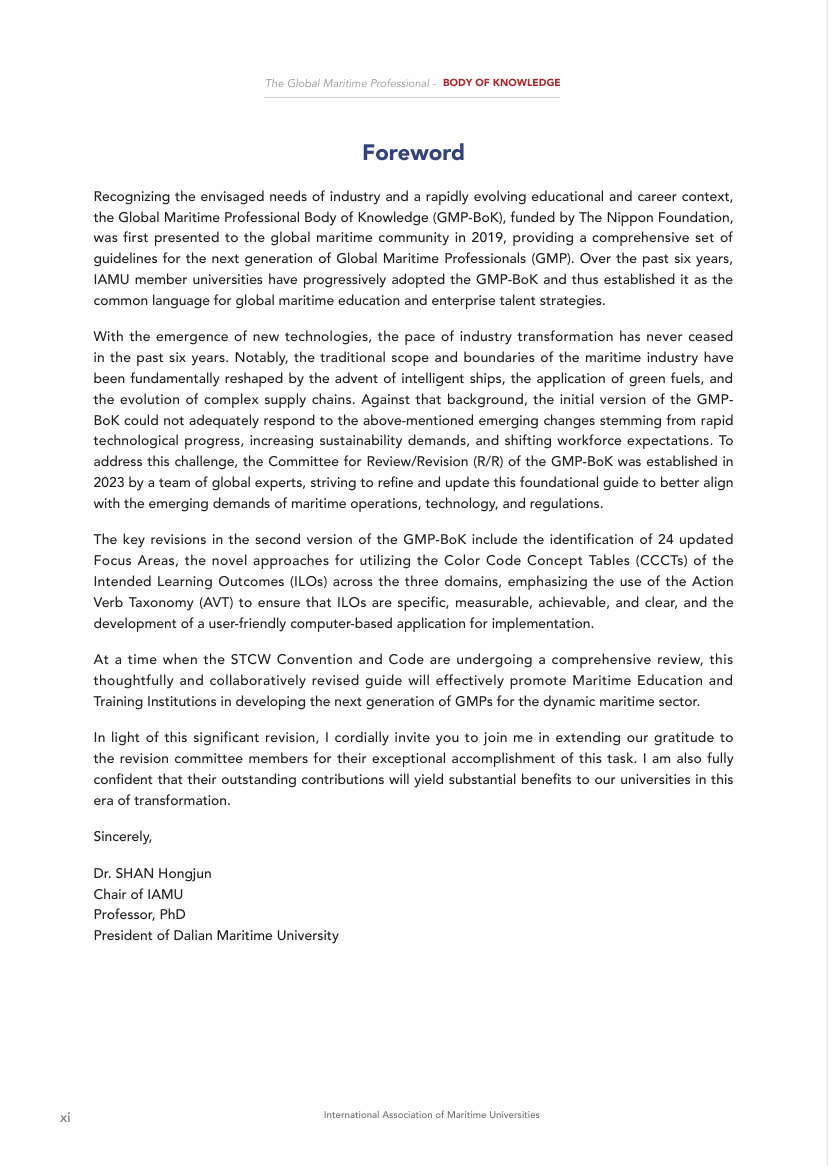
At the AGA, IAMU released the second edition of the Global Maritime Professional Body of Knowledge (GMP-BoK)—the 2026 Edition—which will be promoted for adoption across its 84 member institutions. As a core member of the drafting team, DMU contributed to the preparation of the publication, and President Shan Hongjun, in his capacity as Chair of IAMU, wrote the foreword to the second edition. He emphasized that the advent of intelligent ships, the adoption of green fuels, and the evolution of complex supply chains are fundamentally reshaping the traditional scope and boundaries of the maritime industry. Against this backdrop, the GMP-BoK Review and Revision Committee, composed of experts from around the world, worked to refine and update this foundational guide so that it better responds to emerging operational, technological, and regulatory demands in the maritime sector. With a comprehensive review of the STCW Convention currently under way, this carefully revised guide, developed through extensive collaboration among multiple stakeholders, will provide strong support for maritime education and training institutions in establishing a new generation of common competency standards for a rapidly transforming maritime industry.
Founded in 1999, IAMU comprises 84 leading maritime institutions and related organizations across 45 countries. It is committed to developing Global Maritime Professionals, providing its member institutions with a platform for academic exchange, and fostering cooperation with the International Maritime Organization and the maritime industry. IAMU is currently the world’s most extensive academic organization for maritime education, with the largest number of participating institutions.
 中文
中文


