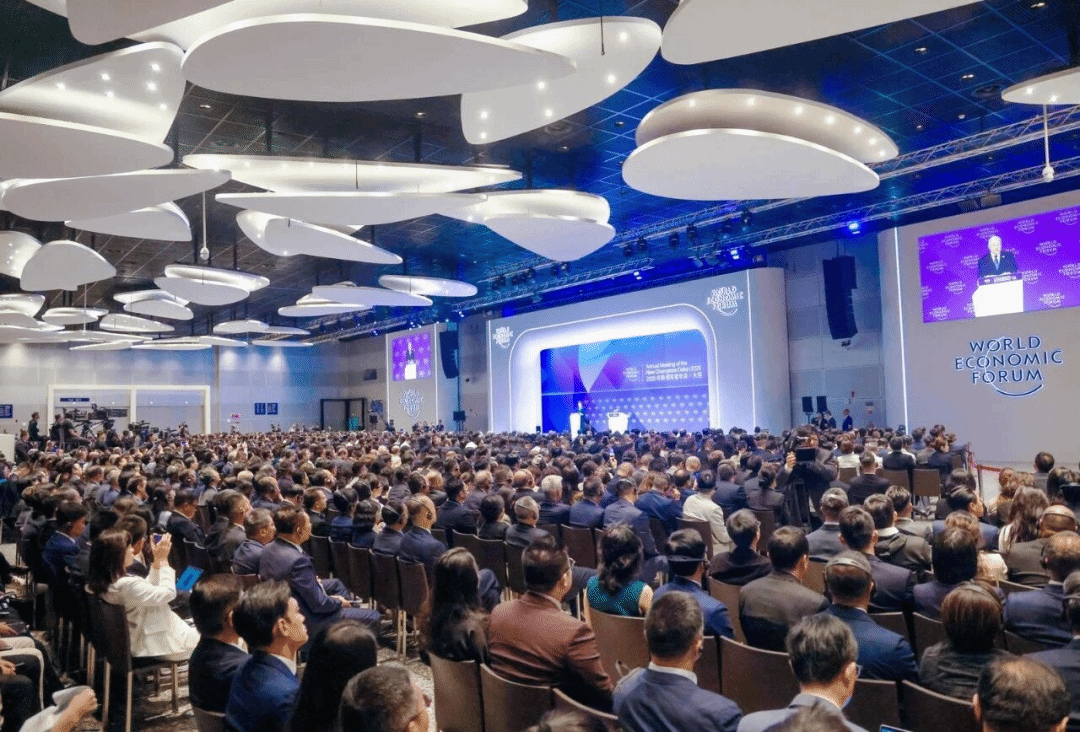
From June 23 to 25, the 17th Annual Meeting of the New Champions of the World Economic Forum (also known as Summer Davos Dalian 2026) was held at Dalian International Conference Center. Shan Hongjun, President of Dalian Maritime University (DMU), was invited to attend the opening plenary session and related events during the forum.
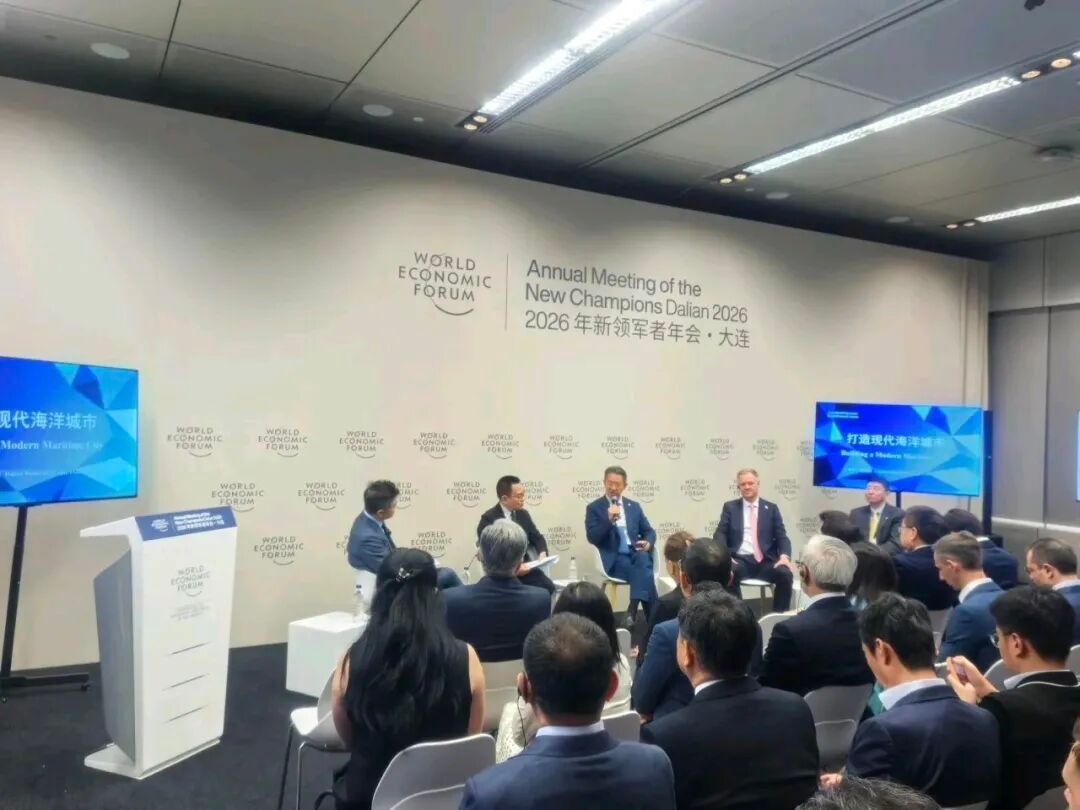
On the morning of June 23, Shan Hongjun was invited to the breakout session themed “Forging Modern Maritime City” as a keynote speaker, engaging in in-depth discussions with more than 60 representatives from government, business and academia. He stressed that the fundamental hallmark of a successful modern maritime city lies in its upgrade from a “participant” in global supply chains to a “shaper” of global value chains, achieving a transition from a mere “transit hub for goods” to a “value creation hub”. In his view, as Dalian forges ahead with high-quality development of the Northeast Asia International Shipping Center, it should shift its development logic from “simple physical aggregation” to “in-depth chemical integration”. Efforts should be made to fully integrate ports, shipping, trade, finance, technology and industrial entities through multiple initiatives: scaling up the development of green and smart port infrastructure and facilities; accelerating the local translation of technologies relying on the city’s maritime education and research resources; clustering and upgrading high-end service sectors including shipping finance, maritime law and arbitration; and advancing the integrated development of ports, industries and urban areas. He noted that as a university with distinctive industry characteristics, DMU takes national strategies as its guide, roots itself in the shipping sector and serves local development. It integrates education, science and technology, and talent cultivation to fuel high-quality growth of the port and shipping industry. Looking ahead, DMU will continue to leverage standards as guidance, platforms as support and practical application as empowerment. It will keep participating in the formulation of global maritime rules, expand cooperation channels with international organizations and scale up exchanges of international talents. These efforts will help strengthen China’s voice in maritime education and global maritime governance. While empowering Dalian to build a central maritime city and the Northeast Asia International Shipping Center, DMU will make new contributions to building a country with strong transportation network and a maritime power.
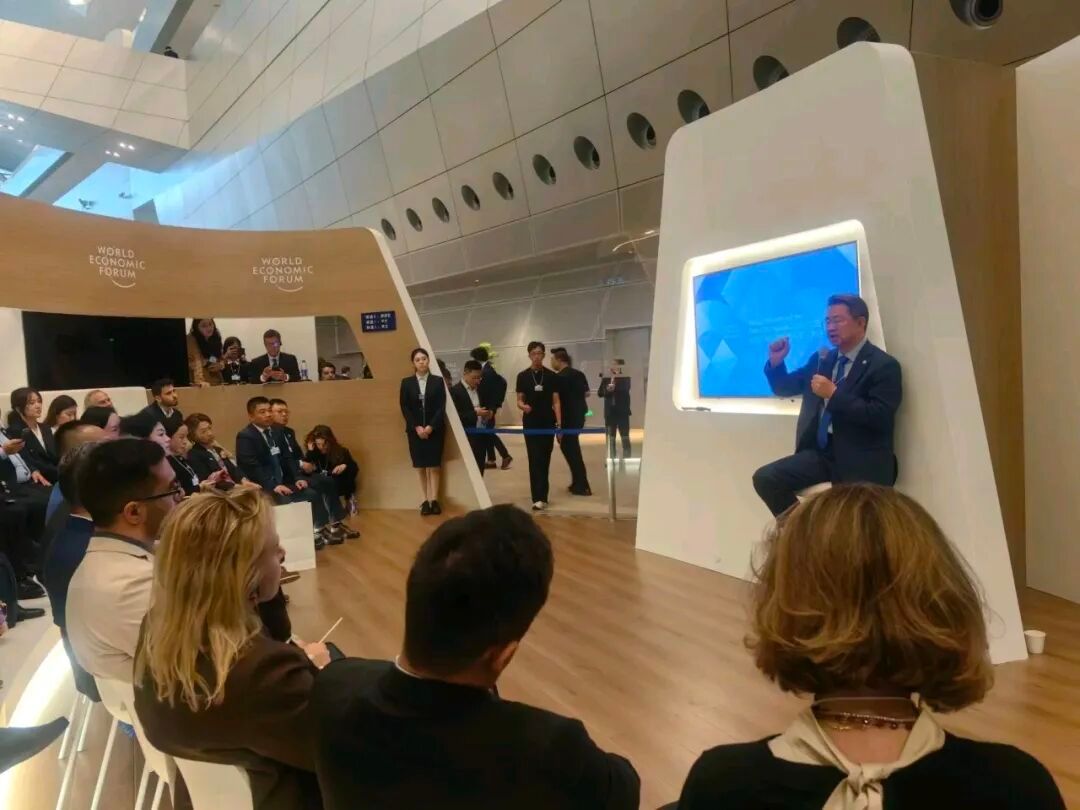
On the afternoon of June 24, Shan Hongjun was invited to the panel discussion themed “Smart Port Construction” and delivered a keynote speech on smart ports as well as opportunities and challenges for the high-quality development of ports in the future. He emphasized that competition among ports is shifting from “scale-based competition” to “system capacity competition”. The decisive factor lies in who can respond faster to shifts in global supply chains, better integrate shipping, trade, manufacturing and logistics, and deliver safer, more stable, greener and more transparent services. He stated that after years of development, China has achieved remarkable results in building smart and green ports, realizing all-round progress in scale, technology, environmental performance, safety and standards. Over the next three to five years, through the in-depth integration of four core technologies — artificial intelligence, digital twins, green energy and full-domain safety prevention and control — Chinese ports will accelerate the transition from isolated intelligent applications to multi-dimensional smart coordination. A more sustainable and resilient modern port and shipping system will be established in the near future.
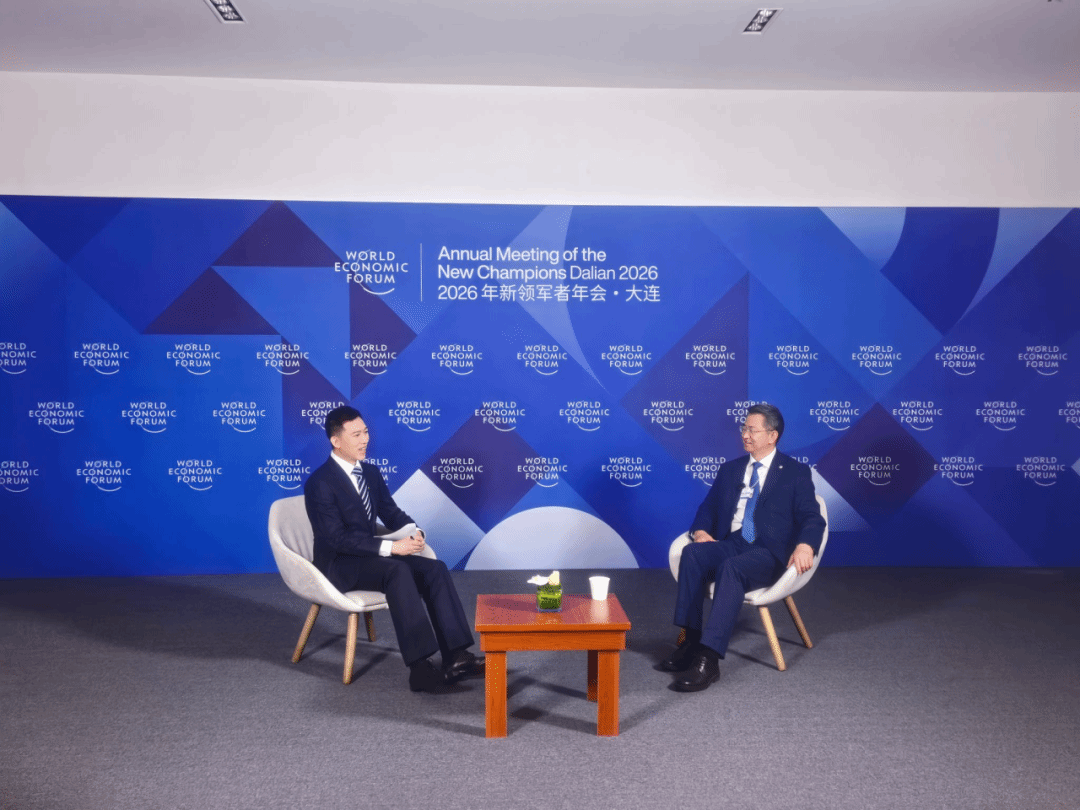
During the World Economic Forum Summer Davos, Shan Hongjun was interviewed by relevant media, sharing his insights on hot topics including the development of modern maritime cities, green and smart ports, and high-end shipping service industries.
This year, the Summer Davos Forum centers on the core theme “Scaling Innovation”. It brought together over 1,800 leaders from all sectors across more than 90 countries and regions worldwide to discuss cutting-edge issues concerning innovation and development. Prior to the event, relevant departments and research teams of the university were deeply involved in supporting the 2026 Summer Davos in Dalian, with work ranging from research on forum topics, planning of breakout sessions, assessment of forum effectiveness, and guest invitation, making positive contributions to the smooth running of the forum.
 中文
中文


