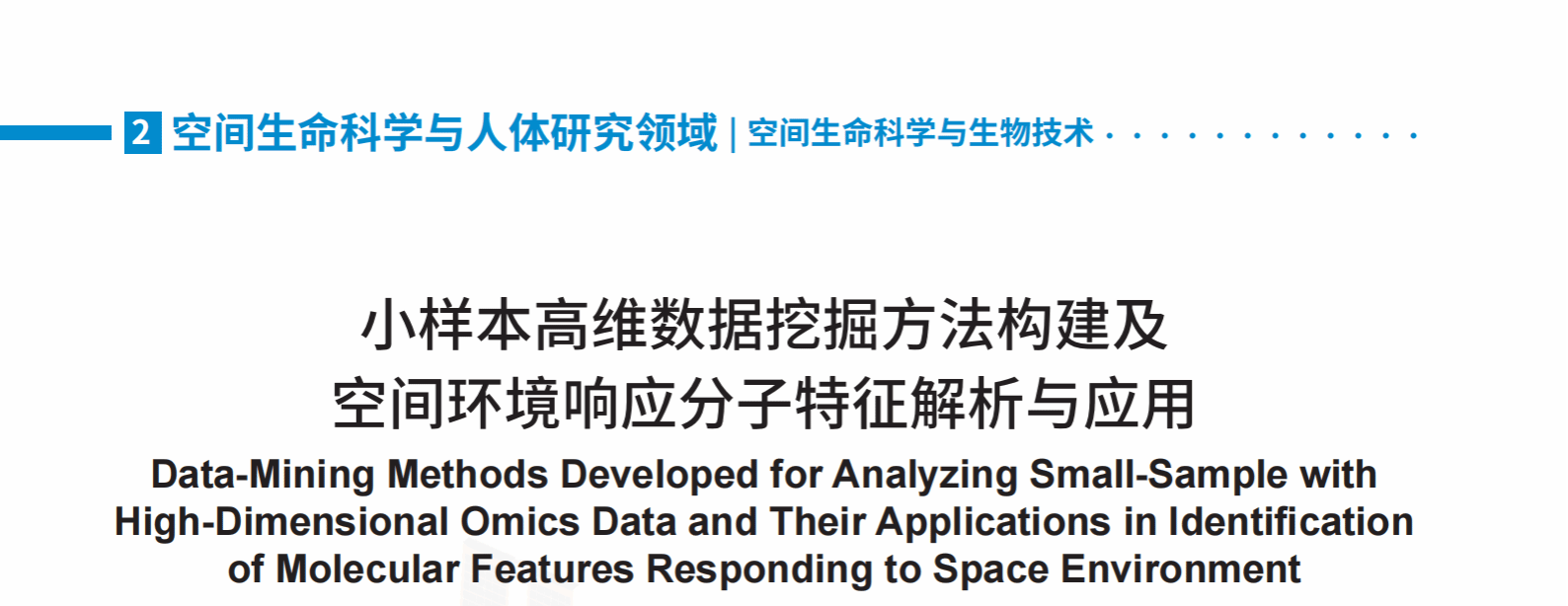
Recently, the China Manned Space Engineering Office (CMSEO) publicly released the 2025 Report on the Progress of the Scientific Research and Application in China’s Space Station (hereinafter referred to as the Report). The research achievement titled “Data-Mining Methods Developed for Analyzing Small-Sample with High-Dimensional Omics Data and Their Applications in Identification of Molecular Features Responding to Space Environment” by Professor Sun Yeqing’s team from the Environmental Systems Biology Lab at our university has been selected for inclusion in this year’s Report. The release of this Report has been covered by several authoritative media outlets, including The Chinese Government Website, Xinhua Net, and CCTV NEWS.
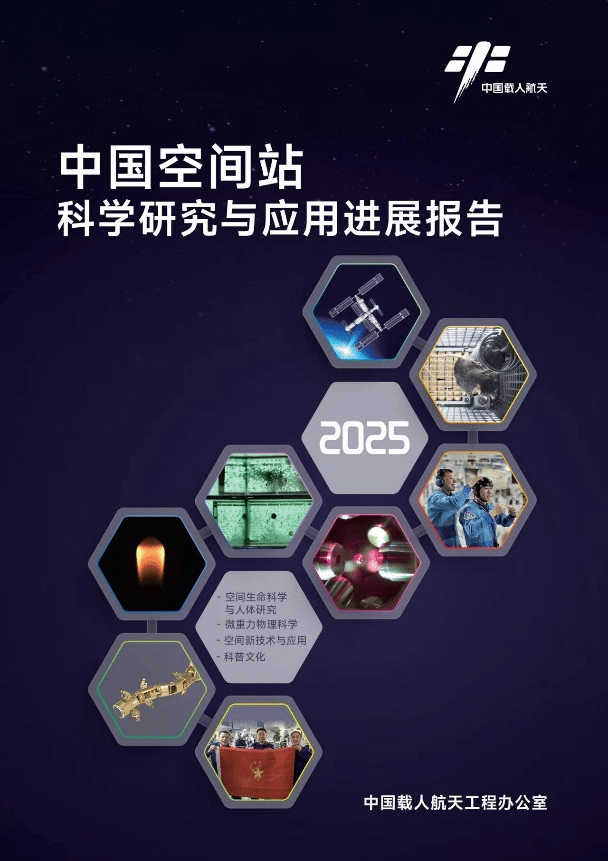
Initially released on December 30, 2024, the Report on the Progress of the Scientific Research and Application in China’s Space Station has been issued twice. It focuses on key areas such as space life science and human research, microgravity physics, and new space technologies and their applications. The Report selects representative scientific and application achievements made in orbit since the completion of the space station, drawing from scientific projects that have completed in-orbit experiments, returned scientific samples to earth, and demonstrated outstanding research progress.
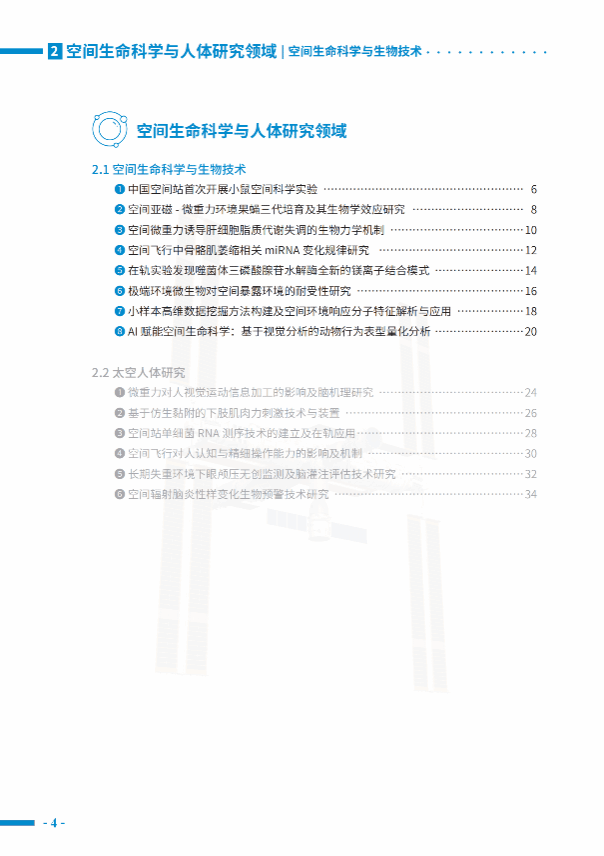
The selected research achievement of Professor Sun Yeqing’s team focused on the prevalent challenge of multi-omics data analysis featuring “small sample size and high dimensionality” in space station experiments, and proposed an innovative set of data mining and analysis methods tailored for space multi-omics data. The team systematically consolidated and analyzed the multi-omics data of model organisms (such as Caenorhabditis elegans and mice) retrieved from different batches of space station experiments. Combined with ground-based simulation experiments, they conducted an in-depth analysis of the conserved molecular response and regulatory mechanisms of different species to the space environment, and revealed that the cumulative effect of space radiation can induce a more prominent molecular stress response and activate multi-layered adaptive regulatory processes. Furthermore, the team identified and validated the key molecular response signatures to the space environment, on the basis of which a space radiation dose assessment model was constructed. They also conducted systematic analysis and prediction of the potential health risks induced by the space environment.
This achievement not only provides an analytical paradigm for the in-depth mining of “small-sample, high-dimensional” biological data from the China Space Station experiments, but also offers an important theoretical basis and technical support for space environmental damage assessment and early health risk warning. It is of great significance for ensuring the safety and health of personnel during long-term manned space missions.
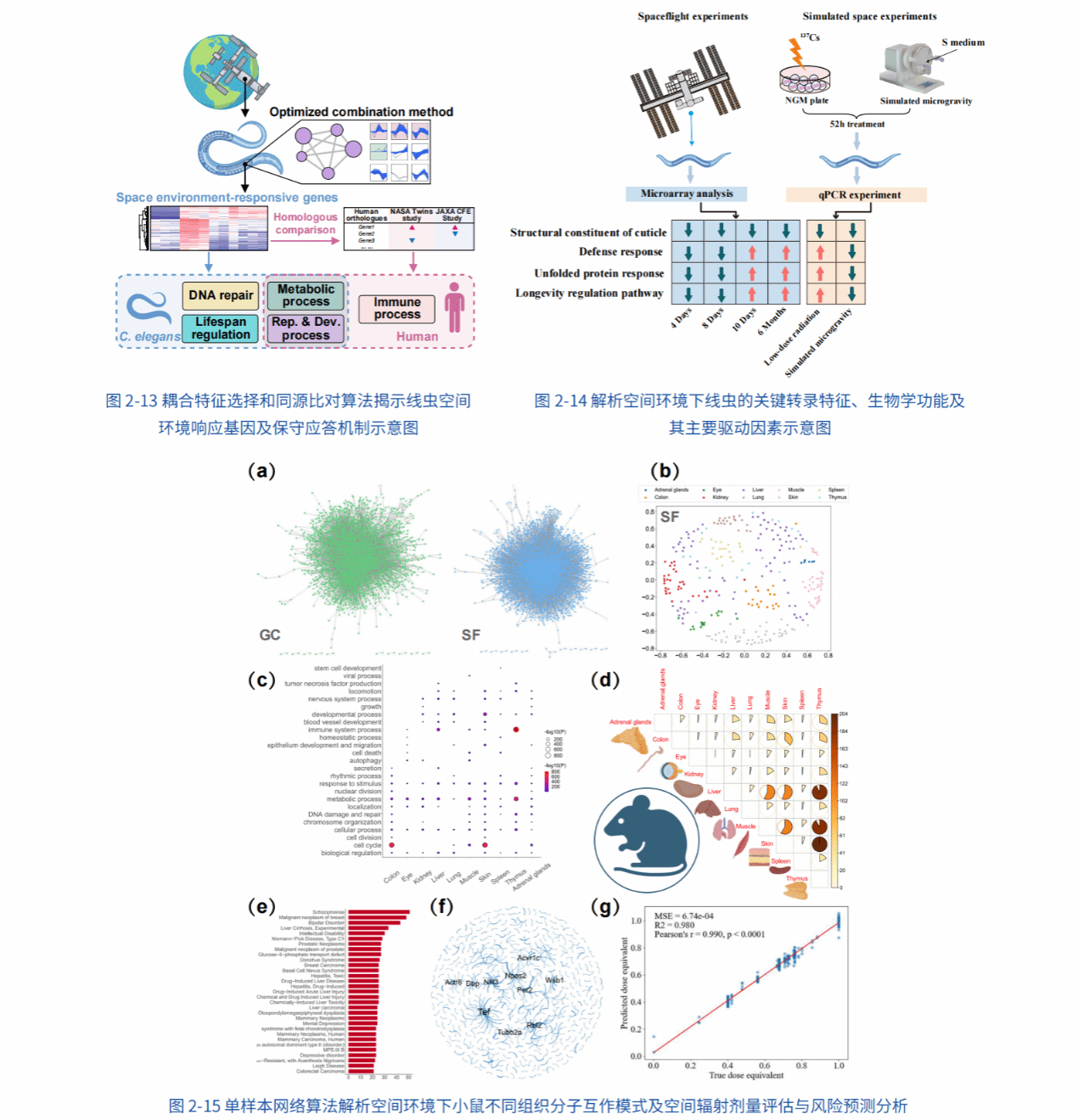
This research was supported by the third batch of scientific experiment projects of the Space Application System of the China Space Station Program, the National Key Research and Development Program, and the Dalian Outstanding Young Scientific and Technological Talent Project. The representative papers of this research are:
[1] Zejun Li, Lei Zhao, Ge Zhang, et al. Optimized combination methods for exploring novel space environment-responsive genes and their roles: Insights from space-flown C. elegans and their implications for astronauts. International Journal of Radiation Biology, 2025, 101: 891-911. DOI: 10.1080/09553002.2025.2519561.
[2] Ge Zhang, Lei Zhao, Zejun Li, et al. Integrated spaceflight transcriptomic analyses and simulated space experiments reveal key molecular features and functional changes driven by space stressors in space-flown C. elegans. Life Sciences in Space Research, 2025,44: 10-22. DOI: 10.1016/j.lssr.2024.11.004.
[3] Yan Zhang, Lei Zhao, Yeiqng Sun. Using single-sample networks to identify the contrasting patterns of gene interactions and reveal the radiation dose-dependent effects in multiple tissues of spaceflight mice. npj Microgravity, 2024, 10: 45. DOI: 10.1038/s41526-024-00383-7.
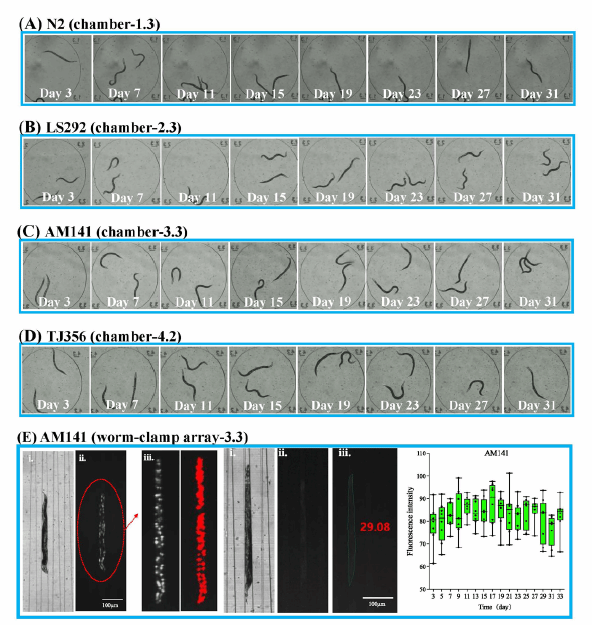
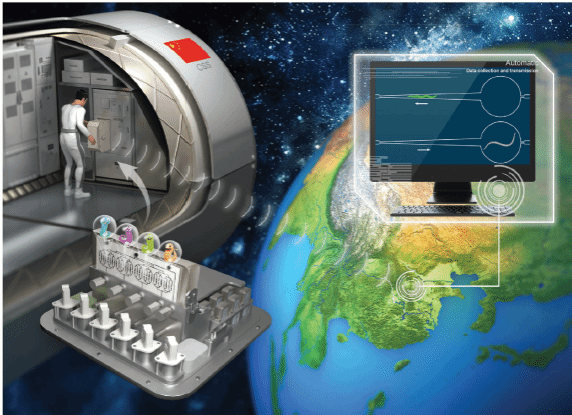
Since the first public release in December 2024, the research achievements of this team have been selected for the Report on the Progress of the Scientific Research and Application in China’s Space Station for two consecutive years. Supported by the second batch of scientific experiment projects of the Space Application System of the China Space Station Program, the team’s research achievement entitled Microfluidic System for Automatic Tracking and Monitoring of Caenorhabditis elegans at the Single-Worm Level in Space Environment was selected for the 2024 Report on the Progress of the Scientific Research and Application in China’s Space Station. The national standard Technical Specification for Space Radiation Biology Experiment - Part 1: General Principle (GB/T 43513.1-2023), led and compiled by the team, has been examined and approved as well as promulgated by the State Administration for Market Regulation and the Standardization Administration of China.
 中文
中文


